How To: Replacing Soldered-in Incandescent Bulbs

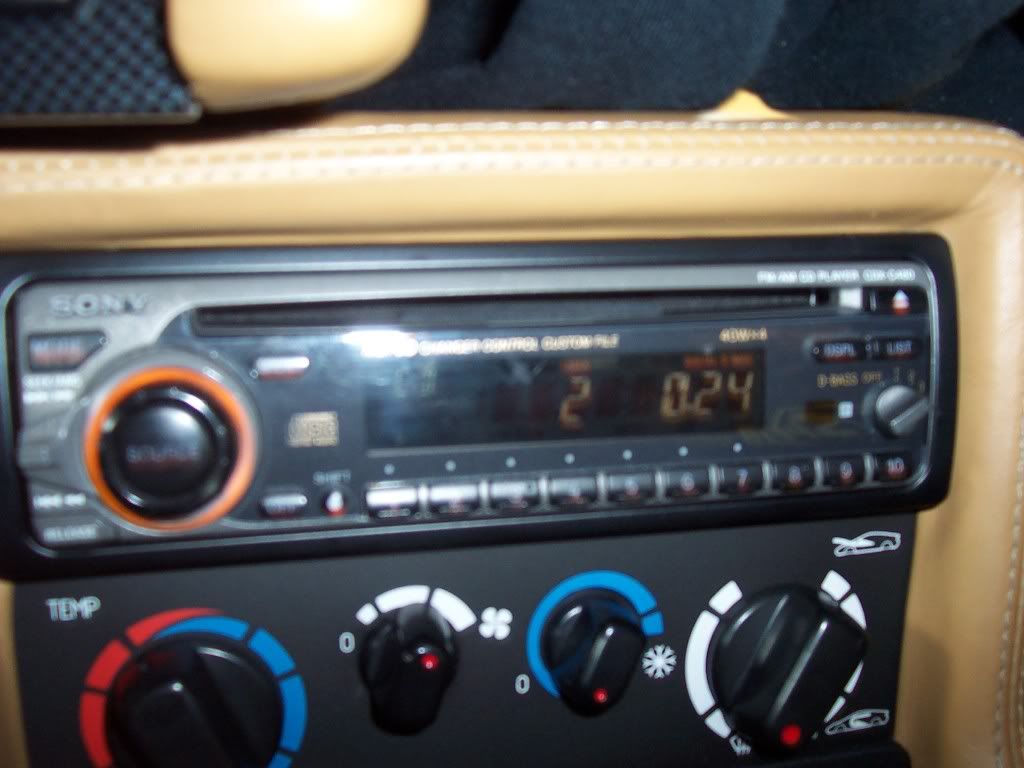
Not sure how much value this will provide but I have recieved quite a few PMs about basic electronic repairs. Well here is one I did for Joe (91MR2) for the Sony Deck in his Lotus. The backlighting for the LCD display was shot.

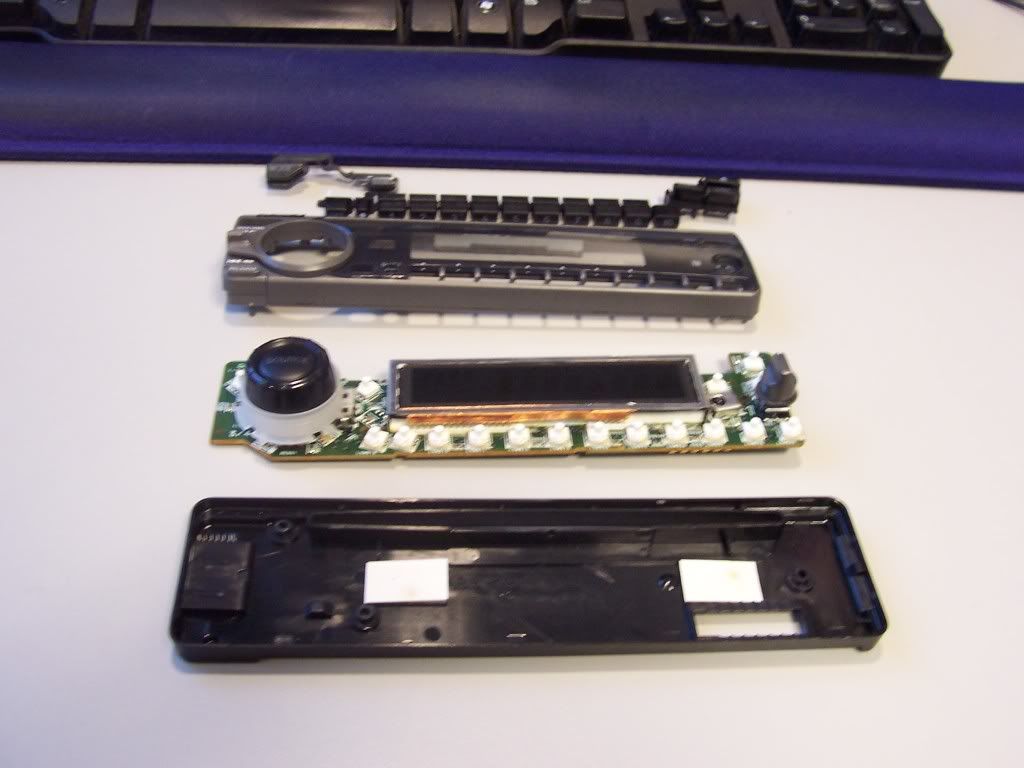
Here is the Sony Faceplate. He was lucky that everything is contained in here. That made this VERY easy.

Open the Faceplate to gain access to the troubled parts. Some of the electronics are not made to come apart. Take your time getting them open. Be ready for flying stuff such as buttons and springs.
Here is one of the two bulbs that needed to be replaced.
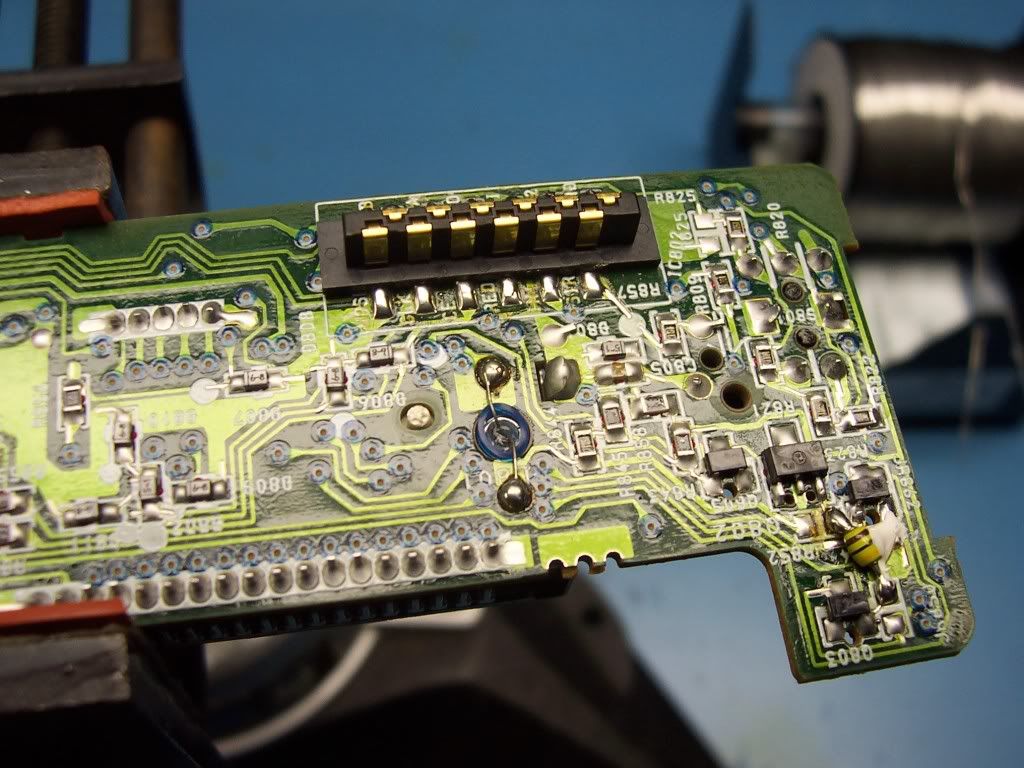
At this step most people would stop. I say continue. This is easy shit. Using solder wick/tape and some flux you can easily remove the joint. Apply flux to the tape and the joint.
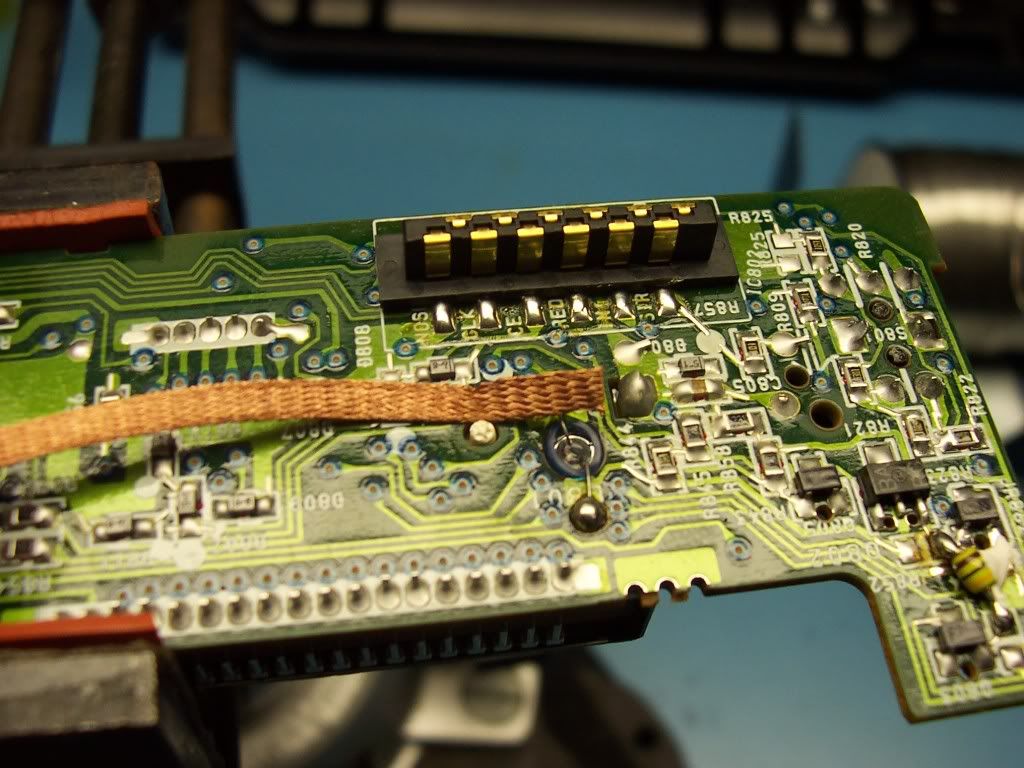
Then, apply heat.
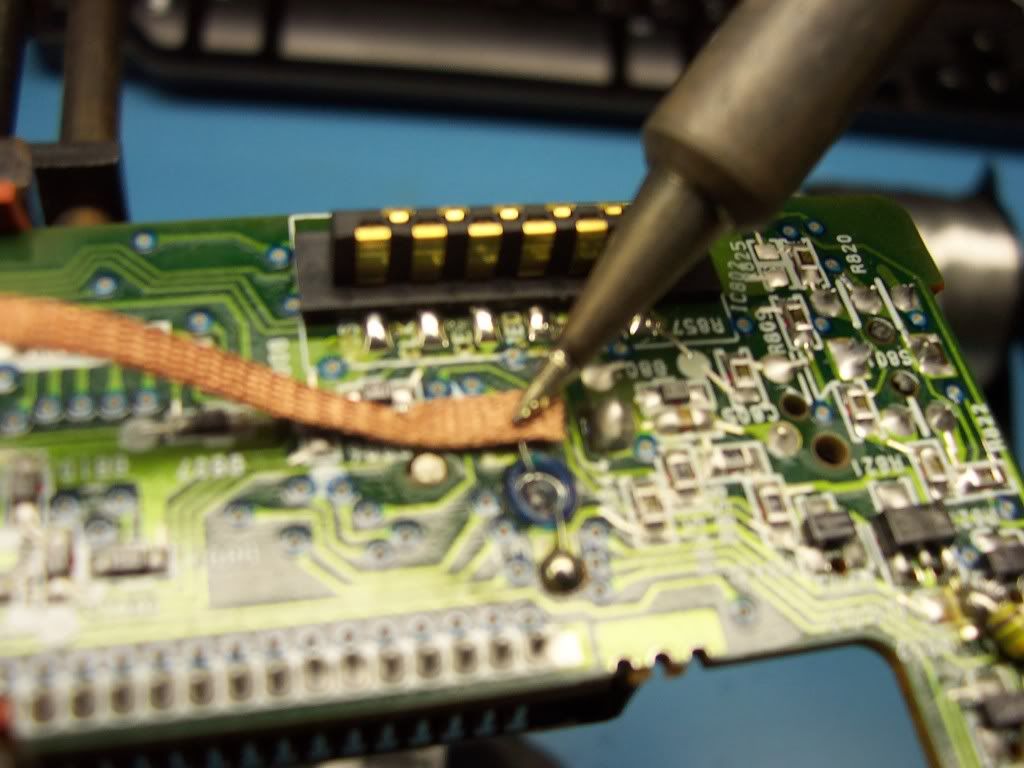
---------- Post added at 04:37 PM ---------- Previous post was at 04:37 PM ----------

The idea is to saturate the solder wick with the molten solder. Leaving a nice clean pad.
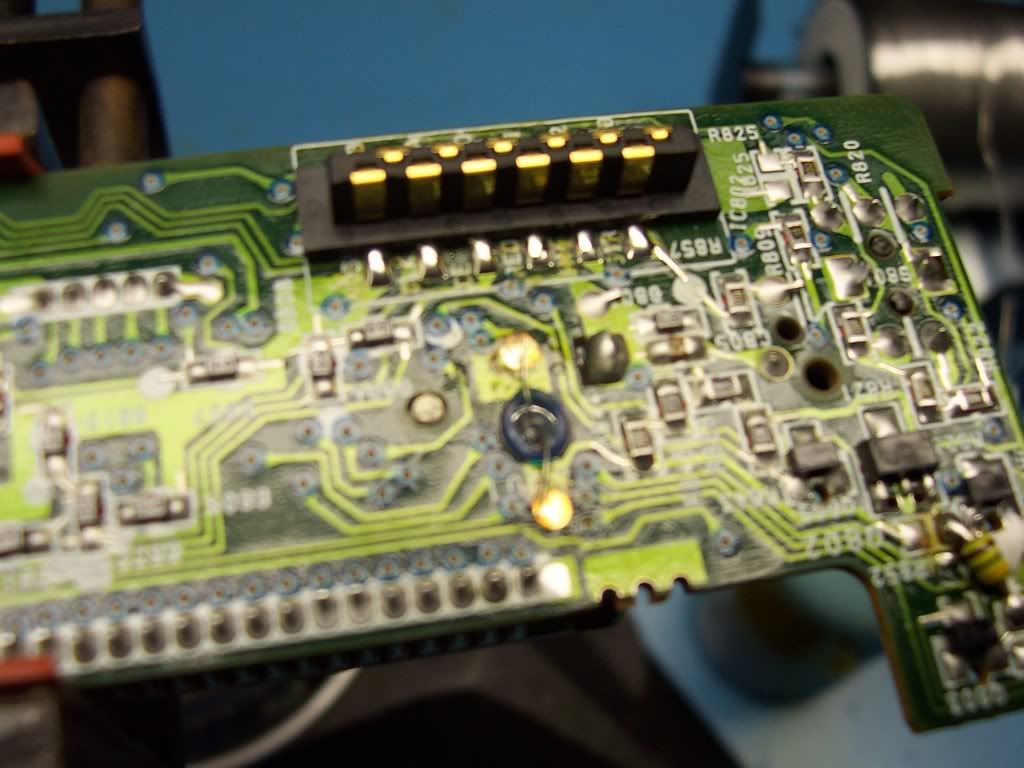
Remove the bulb.
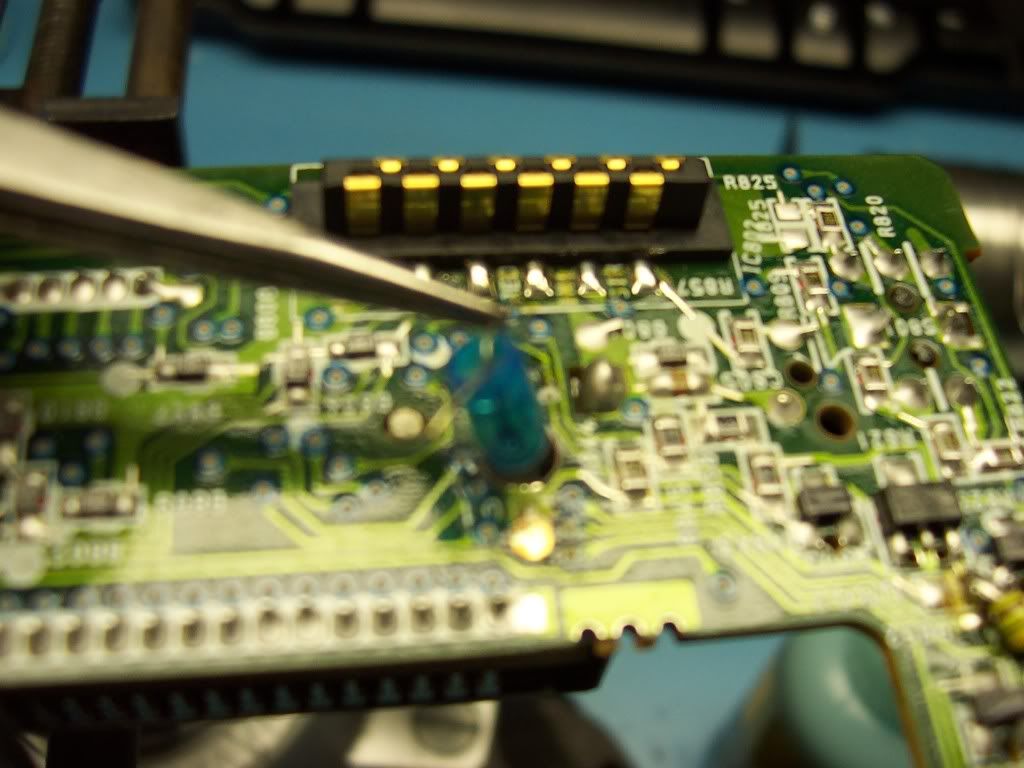
Swap the OEM cover over to the new bulb.
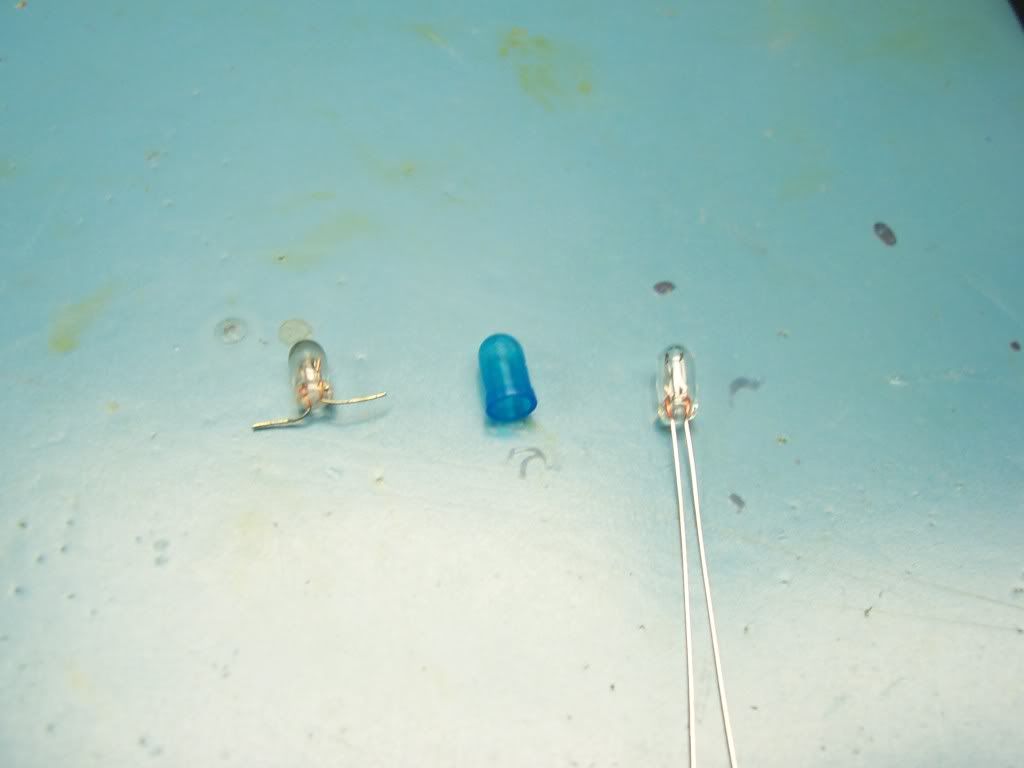

For this project the new bulb I sourced from www.digikey.com which has pretty much everything you need component wise.

Solder in the new bulb and reassemble. Done.


Nice work as always Luke. And great quick writeup.

Yeah great stuff. Most people would just buy a new unit, lol.

Thanks again Luke!

I would have bought a new unit, however the lighting on this one perfectly matches the backlighting of my gauges, and I wanted to retain that “stock” look…

i see you were looking for a new DD are you selling one of the MR2’s?

It’s funny because the cost to fix this was…$3.13. How much is a half-way decent HU now ~$120. Plus, there was nothing wrong with this one.

No problem.

what would it cost to have something like this done by you? vs how much for retail labor to get something like this fixed? I don’t have anything that would need repair, but if I have a customer who needs it, would you been interested in quoting a repair?

Honestly, it depends on the job and time frame.

Let me put it into prespective; About 6 years ago I had my Alpine CDA-9827 HU fixed at Hi-Fi Hospital (http://www.hifi-hospital.com/). The RCA board connection had A fractured solder joint. One fucking joint. Not a bunch of popped shit. I paid $80 to have the joint re-soldered. Which was more than worth it on a $400 unit. But the cost goes into more of finding the problem. They worked on it for what, an few hours? Getting it apart, finding the problem, repairing the joint, and putting it back together. Granted it could have been dozens of things wrong but the price originally quoted was a baseline. I was glad to pay it. At the time I knew dick about this stuff. Now, it amazes me how simple some of this stuff really is. In all fairness I would HIGHLY recommend Hi-Fi as they do quality work. Granted it is hard to fuck up discrete components and joints but they are specialized in repairing obsolete and “Un-repairable” electronics.

Can I re-program FPGA’s and reflow fine pitch components? No.

Can I trace circuits, verify continuity, and replace “bad” parts with new or updated technology? Absolutely.

Can I look at it and in a matter of a few minutes let you know if you are SOL versus it can be done no problem? Sure. I can tell you what would be the next step if I can’t help you.

This is not my job or business by any means. I am not an expert in Electronics. But, I like helping out where I can if I am able to do it. I have helped, I don’t know, maybe 2 dozen members on here over just the past year. Everything from OEM ECUs, Gauges, Sensors, Harnesses, Rheostats, etc… to aftermarket Amps, Radios, Speakers, and PCs to name a few.

My typical repairs has run between $20 and $50. But that does not mean anything as most of the people I helped gave me a great tip with regards to price costs. Thanks 91MR2, Onyx, sobo, cougarspeed, and 94excivic to name a few.

If you do have a project or want to farm something to me. I say shoot me a pm and lets go from there.

That is an open invitation to anyone.

Luke L = The man. Nice writeup Luke.

I used to use this at work…
You have no idea how great it works at desoldering.

http://www.hvwtech.com/products_view.asp?ProductID=220

nice writeup.

lukes the man.

:tup: to DIYing.

^ Thanks guys. :tup:

[quote=“drvnkd,post:10,topic:160072"”]

I used to use this at work…
You have no idea how great it works at desoldering.

http://www.hvwtech.com/products_view.asp?ProductID=220

[/quote]

I have used solder “suckers” before. They work great for large plane applications. As you heat the joint itself you are able to draw the solder without sinking to the thick planes. On a smaller trace you risk de-laming the pad more as you apply heat directly to the joint. I prefer to use the wick in this instance as you draw the heat on the wick and not the PCB itself, allowing you more control. These pads were not too bad; but, I guess it is just force of habit.